Published on November 12, 2026
SEO vs PPC: What 10+ Years of Running Both Taught Me About ROI
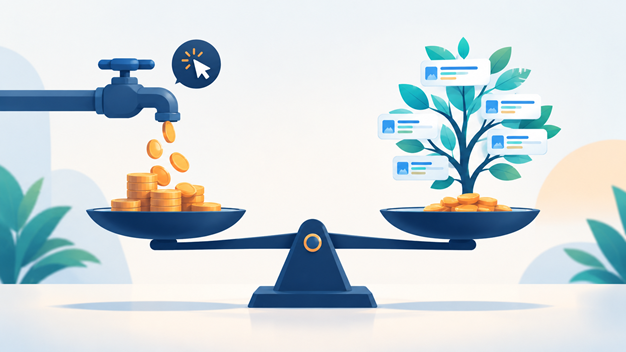
Treating SEO and PPC as an either/or decision is one of the most expensive habits in digital marketing. Both channels belong to search engine marketing, compete for the same results page and can be judged through one lens: return on investment. The real question is how to split budget between organic and paid search at each stage of growth.
Key Takeaways
• SEO earns organic positions over months; PPC buys placement within days.
• PPC costs scale with every click; SEO costs are mostly labor and content.
• Financial services face extra PPC friction, which shifts weight to SEO.
• The best results come from running both channels on shared data.
What Are SEO and PPC?
Search engine optimization earns visibility in organic results through technical work, content and links, measured in Google Search Console. Pay-per-click is an auction model in which advertisers pay for each ad click, usually through Google Ads or Microsoft Advertising. The term SEM is used inconsistently: some sources mean paid search only, others treat it as an umbrella covering both channels.
Each channel owns different parts of the results page. Paid slots at the top and bottom are bought through Google Ads, while organic listings, featured snippets and the local pack are earned through SEO. A brand present in both zones for a high-value query occupies far more of the screen than either channel alone.
SEO vs PPC: Core Differences at a Glance
| Factor | SEO | PPC |
| Cost | Labor and content; no cost per click | Ongoing spend metered by CPC |
| Speed | Typically three to six months | Traffic within days |
| Control | Limited; algorithms decide | High; adjustable daily |
| Longevity | Rankings persist | Traffic stops with budget |
| Trust | Usually higher | Labeled as ads |
What Does Each Actually Cost?
SEO retainers commonly run $1,000 to $5,000 per month, with an Ahrefs agency survey putting the average near $3,209. The average Google Ads CPC in 2026 is reported at about $5.42, ranging from roughly $1.16 in e-commerce to $9.87 in legal services. A paused PPC campaign loses traffic within days, while a ranking page can keep attracting visitors for years. Zero-click search is SEO’s main threat: a Similarweb and SparkToro study found about 68% of Google searches ended without a click in early 2026.
• SEO cost components: tools such as Semrush or Ahrefs, content, link outreach and technical fixes.
• PPC cost components: media bids, management fees, creatives and landing page tests.
PPC also brings risks beyond price. CPC spikes in competitive niches force budget reviews, click fraud requires monitoring, and Apple’s App Tracking Transparency limits device identifiers, so Google Ads models conversions for affected traffic. SEO carries algorithm-update risk instead, which consistent, high-quality content reduces over time.
When Each Channel Is the Right Call
Use SEO when the buying cycle is long, demand is evergreen and budget must deliver value beyond one campaign. Use PPC for product launches, seasonal promotions, rebrands and quick demand tests before a longer content program. A two-week PPC test on core keyword clusters is a common way to confirm intent before a six-month content investment. Four questions settle most cases:
1. Is qualified traffic needed within 30 days?
2. Can the business fund SEO for 12 months or more?
3. How long is the customer’s consideration cycle?
4. Are niche CPCs high enough to make organic conversions much cheaper?
SEO vs PPC for Financial Services
Financial services break generic advice. Ad copy needs compliance review, and Google’s financial services verification policy requires advertisers in many countries to prove licensing before ads can run. 2026 benchmarks put the median financial services CPC at roughly $3.39 to $4.25. Incomplete licensing documents are the most common cause of delays, which makes SEO a vital parallel channel for brokers, neobanks and payment providers. Long conversion paths in finance also raise the cost per acquired customer, so organic content that educates prospects early often pays back faster than in other industries. Every page still needs compliance-reviewed copy and clear risk disclosures.
How to Make SEO and PPC Work Together
Integrated teams feed converting PPC search terms into the SEO content calendar and test organic demand with ads. Landing pages are the shared lever: Google Ads Quality Score combines expected CTR, ad relevance and landing page experience, so a clearer, faster page can lower CPC and improve organic engagement at once. GA4 attribution paths reveal how often organic visits assist paid conversions, which last-click reports hide.
Metrics and Common Mistakes
A unified report tracks organic clicks, average position and CTR for SEO, CPC and ROAS for PPC, and conversion rate and customer acquisition cost for both. Four mistakes appear most often:
• separate teams and budgets that never share keyword data;
• abandoning SEO after three months, just before results usually appear;
• defaulting to last-click attribution instead of data-driven models;
• judging channels by clicks rather than cost per customer.
Final Verdict
An integrated strategy is the correct default for any business past validation. PPC delivers ROI during spend, SEO compounds it over time. Before the next budget cycle, audit the paid and organic split against the four questions above.
Frequently Asked Questions
Which is better, SEO or PPC?
PPC is better when results are needed within weeks. SEO is better for long sales cycles and a twelve-month horizon. Most established companies get the highest return by running both on shared data.
How long does SEO take compared to PPC?
PPC can deliver traffic within 24 hours of approval, while SEO typically needs three to six months for meaningful gains, and longer in competitive niches such as finance.
How do SEO and PPC work together?
SEO and PPC work together by sharing keyword data, landing pages and SERP space. PPC search terms reveal converting queries for content, and better landing pages improve both Quality Score and organic engagement.

Author: HvxobIxtHYXjHVXo9J0
Posted in: